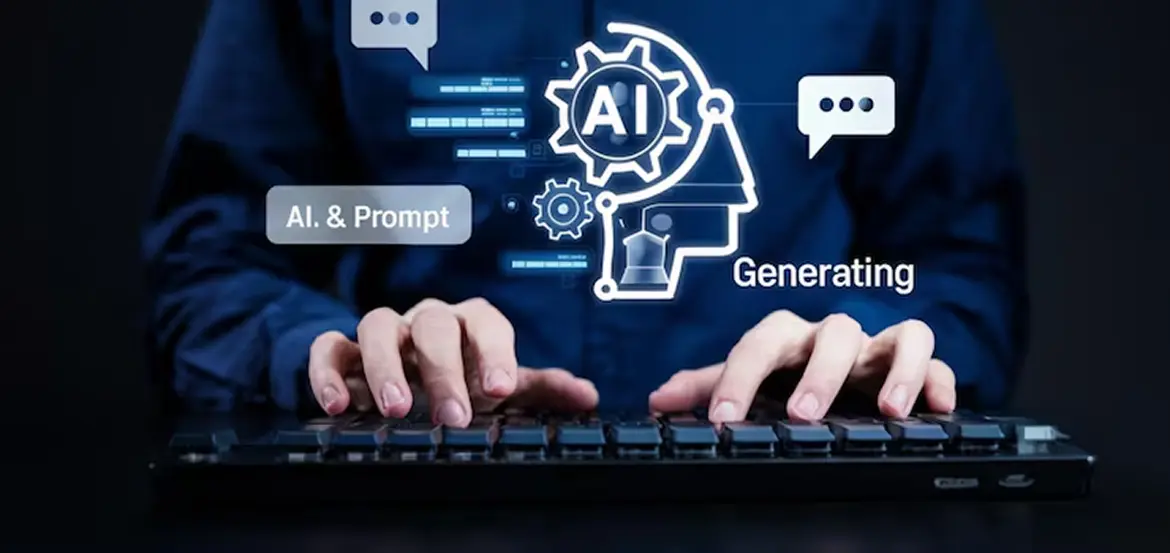
AI in Compliance: The Future of Monitoring, Automation, and Accuracy

ON 01 December , 2025

Have you ever wondered how businesses keep up with the growing maze of regulations and the constant rule changes? From data privacy to financial compliance, the pressure to stay compliant is rising continuously. Manual checks, endless reports, and reactive audits are not turning out to be enough anymore. 

This is the reason why AI in compliance has started to make a difference. By combining automation and intelligence, businesses are finding different ways that can help them manage risks,also support from an experienced AI development company that understands regulatory environments can also help. 

Through this blog, we will explore how artificial intelligence in compliance is changing traditional systems. This guide covers different AI compliance tools, their benefits, and how AI in compliance monitoring is shaping the future of regulatory management.

Visual overview of AI in compliance showcasing benefits like automated reporting, requirement monitoring, regulatory updates, real-time risk detection, and policy management using AI compliance tools

What is AI in Compliance?

While talking about AI in compliance, it simply means using artificial intelligence to manage, monitor, and simplify regulatory processes. It is about making compliance faster, smarter, and even more reliable. 

The compliance systems that were used earlier were dependent on manual reviews, reports, and checklists. These methods took time and were even prone to human error. Artificial intelligence compliance tools changed that by automating repetitive tasks and analyzing data at a scale that humans cannot match.

AI can be used to scan large volumes of data, detect unusual patterns, and even flag potential risks in real time. It helps teams to respond quickly to the issues rather than figuring them out after the damage is done. This is especially powerful when combined with machine learning development services, which enable systems to improve accuracy over time.

With AI-powered compliance solutions, it becomes easy for organizations to track regulatory updates automatically. As new rules appear, the system automatically updates. As new laws appear, the system automatically identifies what is relevant and also identifies the compliance team, which can save hours of manual research. 

Thus, in short, AI compliance tools can bring out accuracy, speed, and predictability to the most complex parts of the business. 

Common applications of AI in regulatory compliance across financial services, manufacturing and supply chain, government and public sector, and technology and cybersecurity using AI-powered compliance tools

Common Applications of AI in Regulatory Compliance 

Every industry has its own compliance challenges. Financial institutions can track money laundering. Healthcare organizations also need to protect the data of the patient. Manufacturers need to manage safety and environmental rules. No matter the sector, AI in compliance helps to simplify the complex processes. 

Here is how AI compliance solutions are being used in different industries. 

Financial Services 

Banks and financial institutions deal with endless regulations: from AML to fraud detection. AI-powered compliance tools help in analyzing transactions in real time, spotting suspicious patterns that could show illegal activity. This improves accuracy and reduces false alerts. 

Manufacturing and Supply Chain

Manufacturers need to follow strict safety, quality, amd environmental standards. AI compliance tools can help to monitor supplier activities, product quality, and ESG compliance. They help to detect deviations early and maintain consistent reporting across the supply chain. 

Technology and Cybersecurity 

Data privacy laws like GDPR and CCPA are evolving constantly. Regulatory compliance AI helps tech companies to keep up by scanning new legal updates and assessing their impact. Automated system ensures that data handling remains compliant and even when the rules change. 

Government and Public Sector 

Public institutions have to handle large volumes of sensitive information. AI in compliance monitoring helps in managing data security, record keeping, and transparency requirements. It minimizes the manual effort while improving accountability. 

Illustration of leading AI compliance tools including real-time monitoring platforms, regulatory intelligence tools, audit and reporting tools, automated document review systems, and risk scoring systems used in AI-powered compliance solutions

Leading AI Tools For Compliance Management 

The rise of AI in compliance has given businesses access to smarter, more adaptive tools. These platforms combine automation, analytics, and machine learning to make regulatory tasks easier. Each of these tools focuses on different parts of the compliance process: from risk detection to policy management. 

Here are a few most common AI compliance tools that are used today. 

Real Time Monitoring Platforms 

These tools help to detect transactions, user activities, and even system changes as they happen. AI in compliance monitoring helps in identifying unusual behaviour instantly. This allows compliance teams to act before any violation takes place, which helps in reducing risk as well as response time. 

Automated Document Review Systems 

The process of regulatory compliance often includes endless paperwork, like contract policies and audit reports. AI-powered compliance tools can help to scan these documents, highlight the non-compliant language, and also suggest corrections. This saves hours of manual review and ensures consistency. 

Regulatory Intelligence Tools 

One of the hardest parts of compliance is staying updated with the changing laws. Regulatory compliance AI solutions use natural language processing to read new laws, summarize key changes, and also alert businesses regarding the relevant updates. 

Risk Management and Scoring System 

These AI compliance solutions evaluate company-wide risks by analyzing the internal data. They provide predictive insights that help the team to focus on the most important issues first. This helps to turn compliance from a reactive function into a proactive strategy. 

Audit and Reporting Tools 

Audit preparation can be a stressful and time-consuming process. AI tools for compliance help to automate data collection and generate audit-ready reports. This improves accuracy and transparency while reducing the workload on compliance teams.

Key Benefits of AI-Powered Compliance Tools 

Adopting AI-powered compliance tools is no longer just an upgrade; rather, it has turned out to be a necessity. These tools help businesses to stay ahead of the growing regulations and also improve accuracy and efficiency. Here are a few key benefits that make AI in compliance a game-changer. 

Real-time Monitoring 

With AI in compliance monitoring, it becomes easy for companies to track activities as they happen. The system automatically detects unusual patterns and transactions. Also, instead of figuring out the issue weeks later, the compliance teams get alerts right away. This quick response helps to prevent the costly penalties and even reputational risks. 

Improved Accuracy 

While talking about manual compliance reviews, it is prone to human errors. AI compliance tools analyze large datasets without losing focus or consistency. They identify risks or inconsistencies that might go unnoticed during human checks. This helps with cleaner audits and even more reliable reporting. 

Time and Cost Efficiency 

Manual monitoring can take up hours and even hours of work and large teams. AI-powered compliance solutions can help in automating repetitive checks, allowing the team to focus more on decision-making and strategy. It also helps in reducing the operational costs by reducing the manual effort and rework. 

Predictive Insights 

One of the biggest advantages of regulatory compliance AI is prediction. AI models learn from past data and also highlight the potential risks before they turn out to be real problems. This proactive approach helps companies to stay compliant even during the changing regulatory environments. 

Scalability and Consistency 

As businesses continue to grow, so do their compliance needs. AI in compliance tools scales easily across different departments and regions. The process stays consistent no matter how large or complex the organization turns out to be. 

Challenges in Adopting AI Compliance Tools 

While there are many advantages of AI in compliance, there are also a few challenges that need to be taken into consideration. Adopting new technology is not always simple, and organizations need to prepare properly for a careful transition. 

Data Privacy and Security 

AI systems rely on a massive amount of data. If the data that is being used is not protected, it can create privacy risks. Thus, it turns out important for the companies to make sure that their AI compliance solutions follow strict data privacy and security standards. 

Integration with Existing Systems 

Many organizations still use the older methods of compliance setups, because connecting AI-powered compliance tools with older systems can turn out to be complex. It often requires technical adjustments and employee training to make the process of transition process smoother. 

High Initial Costs

Another major challenge that organizations face while adopting AI compliance tools is the higher initial costs. Though automation saves money in the long run, smaller companies may find the upfront costs challenging. 

Lack of Human Oversight 

AI can analyze data fast, but there is still a need for human judgment. Over-reliance on automation can lead to missed context or even false alerts. Successful compliance strategies help to balance out AI-powered compliance with expert human insight. 

Evolving Regulations

Regulations change constantly, and AI models need to keep up with those changes. If not updated regularly, these systems could rely on outdated data or rules, creating the compliance gaps they are meant to prevent. 

The Future of Compliance and AI 

Compliance does not only mean following the rules, but rather it is about staying ahead of those rules. As regulations grow more complex, AI in compliance will play a bigger role in helping organizations adapt and respond faster. 

The next phase of AI-powered compliance goes beyond just finding risks. The future systems will not just point out potential issues but will also explain why those issues were flagged. This is where explainable AI (XAI) comes in. It helps compliance teams to understand how the system reached its decision, which helps in building trust and clarity in the process.


What’s Shaping the Future

  • Explainable AI (XAI): This helps in ensuring that every AI-driven decision is transparent and also easy to audit. 
  • Predictive Compliance: The use of data to forecast the potential risks before they take place. 
  • System Integration: Linking of compliance tools with HR, finance, and cybersecurity for a complete view of risk.
  • Ethical AI Practices: To make sure that the compliance AI tools focus on fairness, data privacy, and responsible use of AI. 
  • Continuous Learning Systems: To make up a system where AI evolves with new regulations and adapts automatically. 

Conclusion: Building a Smarter Compliance Strategy with AI

The world of compliance is changing fast. Manual checks and outdated systems can no longer keep up with the pace of new regulations. That’s where AI in compliance makes a real difference. It brings automation, speed, and accuracy to processes that once took weeks of manual effort.

From real-time monitoring to predictive insights, AI-powered compliance tools are helping businesses stay proactive instead of reactive. They allow teams to focus on strategy while the technology handles routine tasks and risk detection.

At Samyak Infotech, we believe compliance shouldn’t slow innovation; it should enable it. Our team builds AI compliance solutions that help organizations manage regulations with confidence, efficiency, and clarity. Whether it’s automation, monitoring, or custom AI integration, we help businesses stay ahead in an ever-changing regulatory landscape.

The future of compliance and AI is not just about following rules: it’s about creating smarter, more responsible ways to grow. And with the right technology partner, that future starts today.

Frequently Asked Questions About AI in Compliance

What is AI in compliance, and how is it different from traditional methods?

AI in compliance uses artificial intelligence to automate monitoring, reporting, and risk detection. Unlike traditional compliance systems that depend on manual checks and spreadsheets, AI tools can analyze large volumes of data in real time, helping teams act faster and with more accuracy.

No, and it shouldn’t. AI-powered compliance tools support human teams by handling repetitive and data-heavy tasks. However, human oversight is still essential for interpreting results, making ethical decisions, and managing complex cases.

Some common challenges include data privacy concerns, high setup costs, and the need for regular system updates. It’s also important to maintain transparency so that AI decisions can be trusted and audited.

Sectors like finance, healthcare, insurance, and manufacturing benefit the most. These industries deal with strict regulations, large data volumes, and frequent audits — areas where AI-powered compliance can significantly reduce manual effort and errors.

Start by identifying your organization’s compliance pain points. Then, look for tools that integrate easily with your systems, provide explainable AI (XAI) capabilities, and ensure strong data security. Working with a trusted technology partner like Samyak Infotech can make the process smoother and more effective.

Latest News from our end!

Please wait, copying in progress...

If you’re making a lot of copies it can take a while
(up to 5 minutes if you’re on a slow server).

Average time is 8 copies per second.

Image Issues

The images listed below are being resized to fit a container. To avoid serving oversized or blurry images, try to match the images to their container sizes.

Oversized
Undersized

All images are properly sized

Note: It’s not always easy to make this happen, fix up what you can.

Wait! Don’t Leave Without This !!

Get 1 Week of Free Custom AI Development

Our AI experts will help you prototype, automate, or build AI-powered solutions — risk-free.
⚡ Limited-time offer for new users.

Skip to toolbar