What is an RMS remote monitoring system for manufacturing?
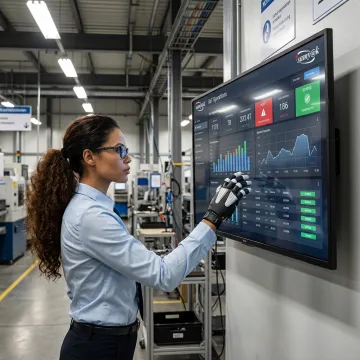
An RMS remote monitoring system for manufacturing collects data from equipment, sensors, and connected processes, then presents it through dashboards, alerts, and analytics. It gives authorized teams visibility into asset status and operational performance without needing to stand beside each machine. A tailored system can also integrate with existing software to create a more complete view of production operations.
What manufacturing equipment can be monitored remotely?
The equipment monitored depends on the available sensors, controllers, and integration requirements. Common targets include production machinery, utility systems, energy-consuming assets, tanks, temperature-sensitive equipment, and process-control devices. Samyak Infotech can assess existing hardware and data sources, then design the data-acquisition and software layers needed to bring relevant operational information into a centralized monitoring platform.
How does remote monitoring help reduce manufacturing downtime?
Remote monitoring helps teams see equipment status and operational changes in real time, making it easier to recognize developing issues before they become larger disruptions. Configured alerts draw attention to defined conditions, while dashboards reveal performance trends across assets and workflows. This visibility supports faster investigation, better prioritization, and more informed maintenance decisions, helping reduce avoidable unplanned downtime.
Can an RMS integrate with our existing ERP, MES, or legacy systems?
Yes. A custom RMS can be designed to integrate with existing manufacturing software and hardware, including data-acquisition devices, enterprise platforms, and legacy environments where technically feasible. Samyak Infotech's integration approach covers data processing, analytics, control, and automation layers. Early discovery identifies available interfaces, data quality requirements, security needs, and the best path for a reliable connection.
Is manufacturing monitoring data secure in a remote system?
Security should be built into the monitoring system's architecture, access controls, data flows, and operational processes. Samyak Infotech holds ISO/IEC 27001:2022 certification for information security management and can develop secure IIoT and cloud-based applications around defined business requirements. The appropriate controls vary by deployment, connected assets, user roles, and the sensitivity of the information being monitored.
How long does it take to implement a remote monitoring system?
Implementation timing depends on the number of assets, required integrations, existing hardware, dashboard needs, and desired automation. A focused pilot involving a limited set of equipment can establish the data flow and user experience before wider rollout. Phased implementation helps validate connections, refine alerts and reports, train users, and expand the solution without disrupting production unnecessarily. For reference, GSM data loggers used in RMS deployments install in under 5 minutes per point, so hardware setup is rarely the bottleneck, integration and dashboard configuration typically take longer.
Can dashboards and alerts be customized for different teams?
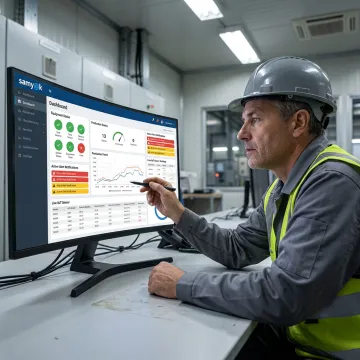
Yes. Manufacturing teams often need different views of the same data. Operators may focus on current machine status and alerts, maintenance teams on equipment trends, and managers on workflow or performance summaries. A custom dashboard can organize relevant metrics by role, process, or facility. Alert rules can likewise be configured around operational conditions that require timely attention.
What is needed to start an RMS monitoring project?
Start by identifying the equipment, processes, and business outcomes that need better visibility. Useful inputs include existing sensor or controller details, current software systems, important metrics, known operational pain points, and user groups. Samyak Infotech can use this information to define integration needs, data collection options, dashboard requirements, security considerations, and a practical phased implementation plan.